Robots and Cobots Training Goes Live
T4F-DRA Milestone: Virtual Training Unites Students and Teachers Across Three Countries - March 2026
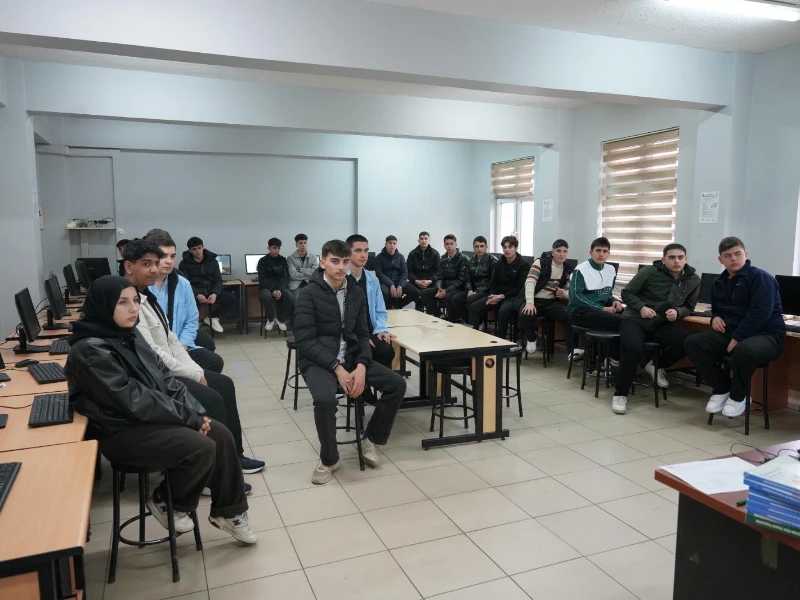
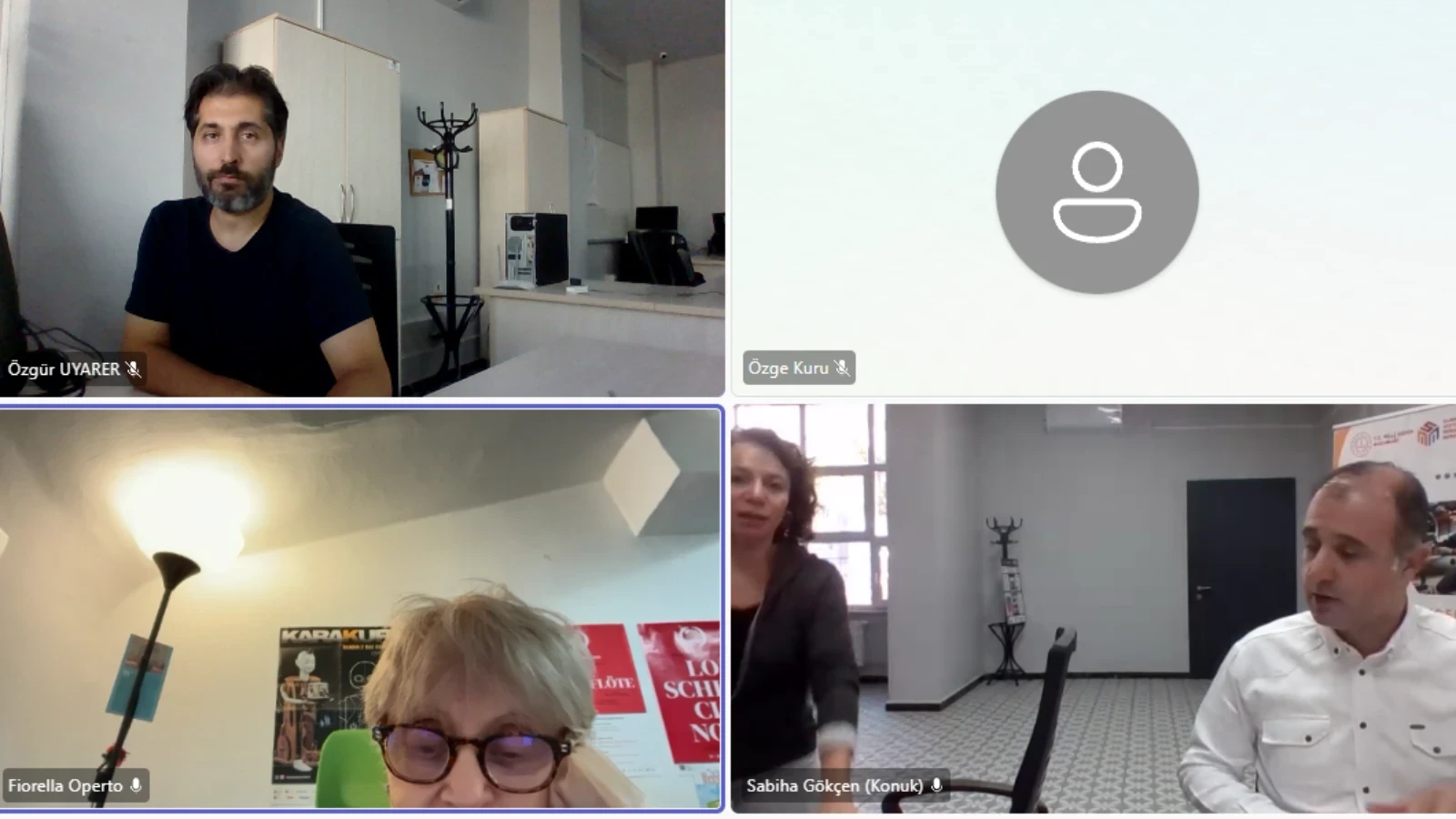
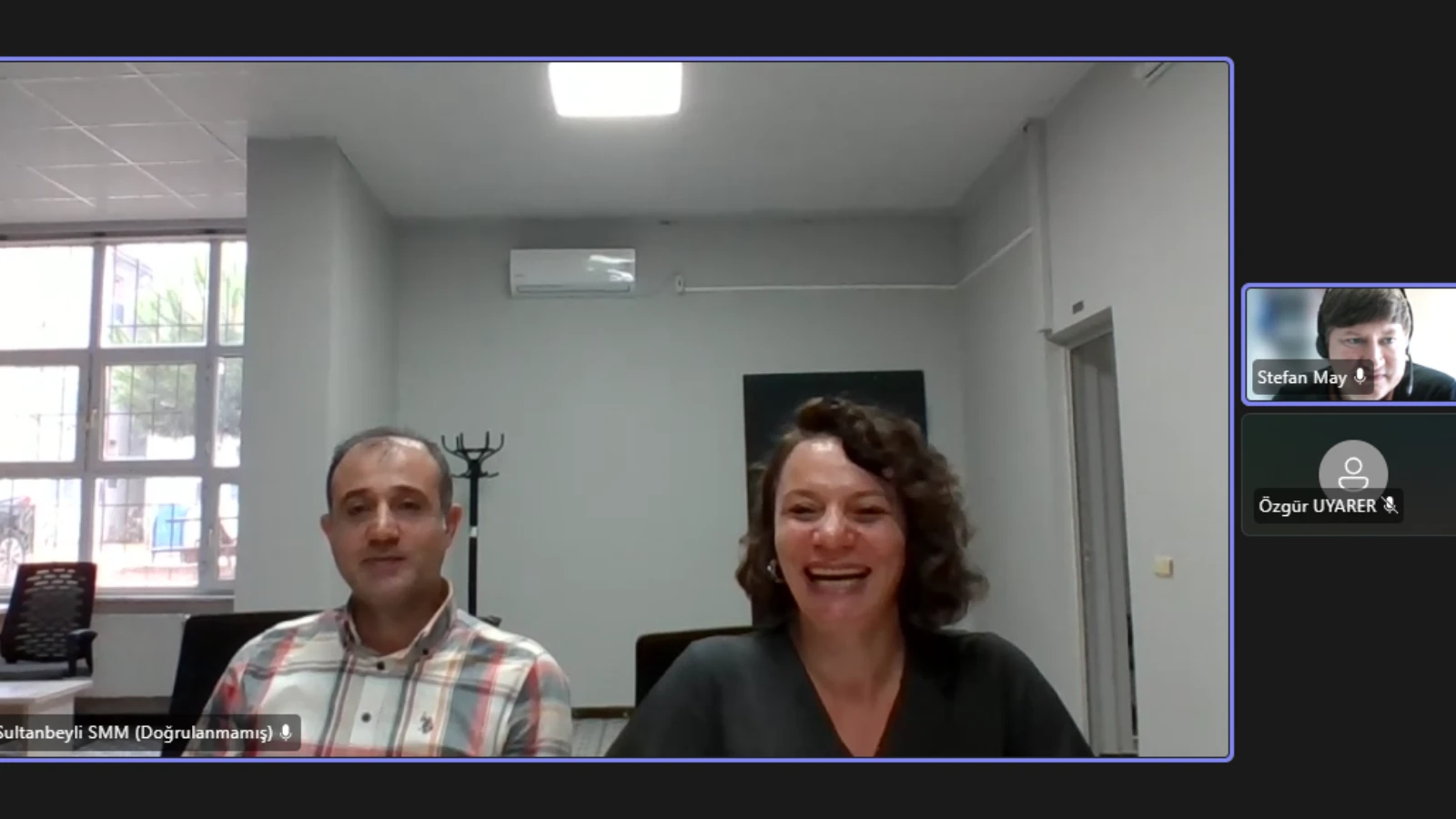
The T4F-DRA partnership is pleased to announce the successful completion of its second project activity -A2: Robots & Cobots Training -a three-day virtual training programme held from 23 to 25 March 2026.
A New Kind of Classroom
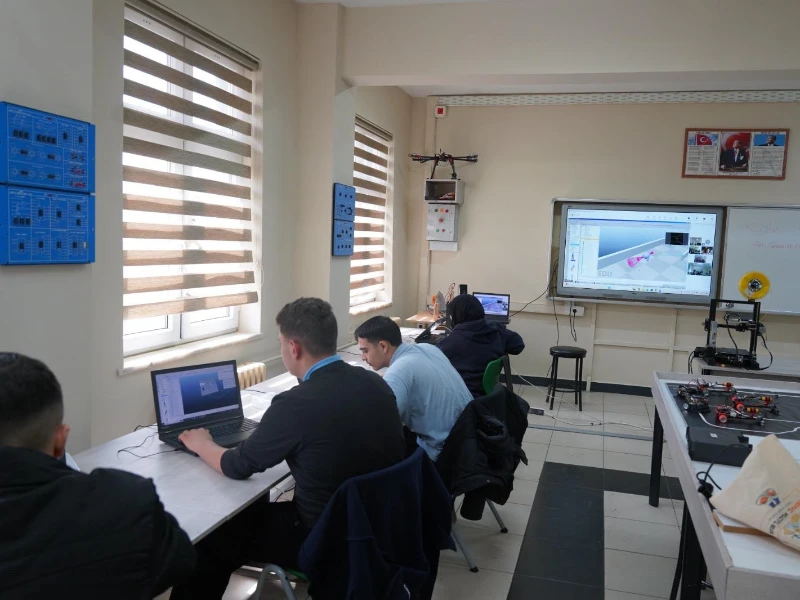
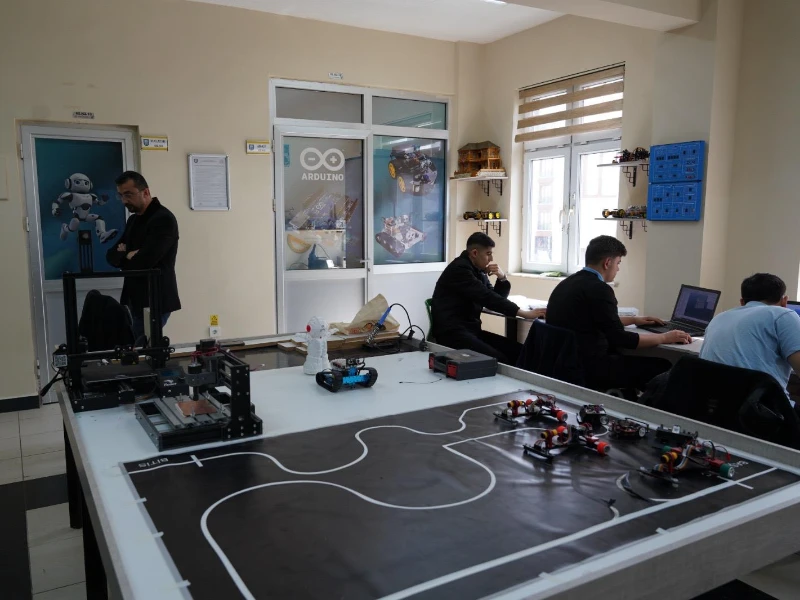
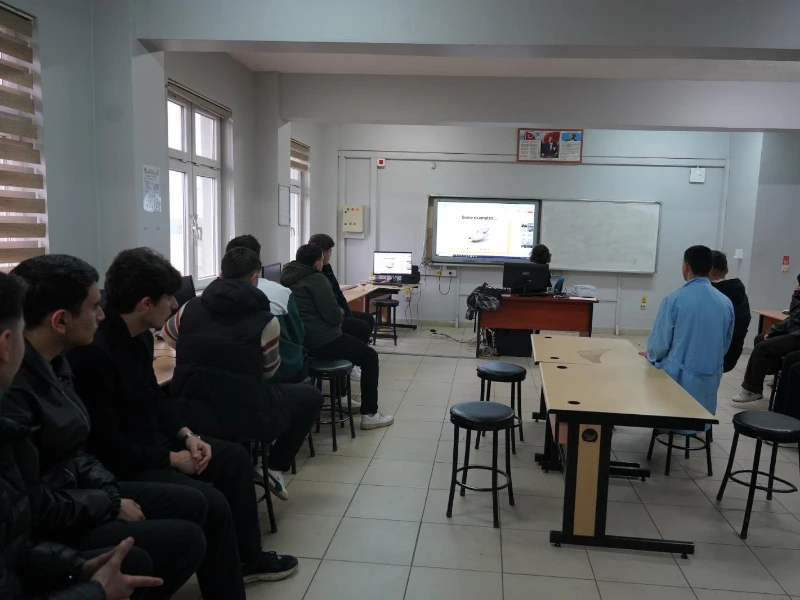
For three intensive days, participants from Germany, Türkiye, and Italy came together in a shared digital environment to learn, collaborate, and create. A total of 69 participants - 9 teachers and 60 students drawn equally from all three partner institutions -engaged in a carefully structured programme designed specifically for first-year VET students. Each day was built around two complementary learning tracks: hands-on collaborative robotics simulation and critical exploration of the social dimensions of technological transformation.
Day 1 -Social Change and Industry 5.0 | Getting Started with CoppeliaSim Monday, 23 March 2026
The opening day began with a welcome session that introduced participants to the T4F-DRA project, outlined the European dimension of the partnership's parallel activities, and set expectations for the three days ahead.
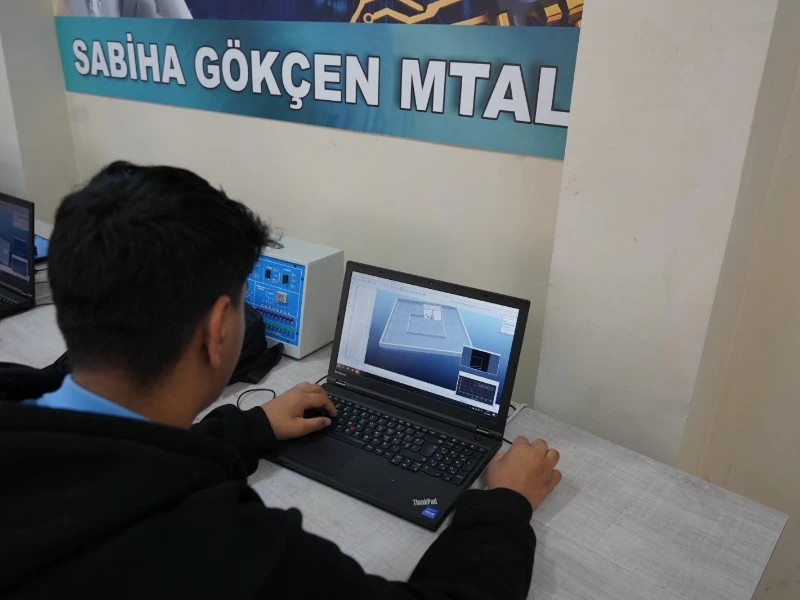
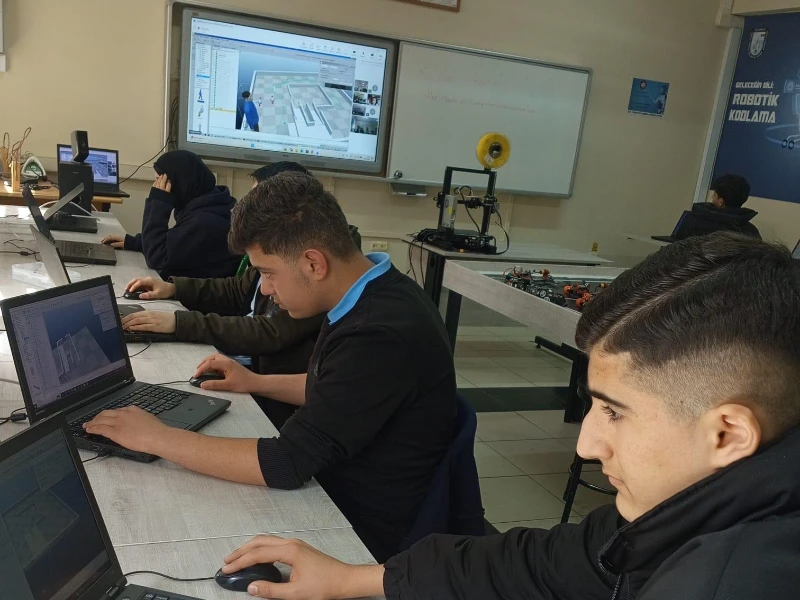
The afternoon introduced participants to CoppeliaSim, the industry-relevant simulation platform at the heart of the project's technical curriculum. Expert trainer Jacopo Cassinis of Scuola di Robotica guided participants through the software's interface, core functions, and navigation, before moving into a first applied exercise. Working in small groups of three to four, students were challenged to design a conceptual robotic solution for a real-world logistics scenario: automating the sorting of packages on a warehouse conveyor belt. The exercise required no prior simulation experience -only curiosity, collaborative thinking, and the willingness to engage with a new kind of problem-solving.
Day 2 -Workforce and Competence Transformation | Advanced Simulation Tuesday, 24 March 2026
The second day deepened both threads of the programme. Expert trainer Jacopo Cassinis opened with a session on Workforce and Competence Transformation, examining how skill requirements are shifting across industries globally and what those shifts mean specifically for students in the partner countries -Germany, Türkiye, and Italy. Participants engaged with the practical question of what it means to prepare for a digitally and robotically transformed work environment, grounding the discussion in real labour market data and vocational education perspectives.
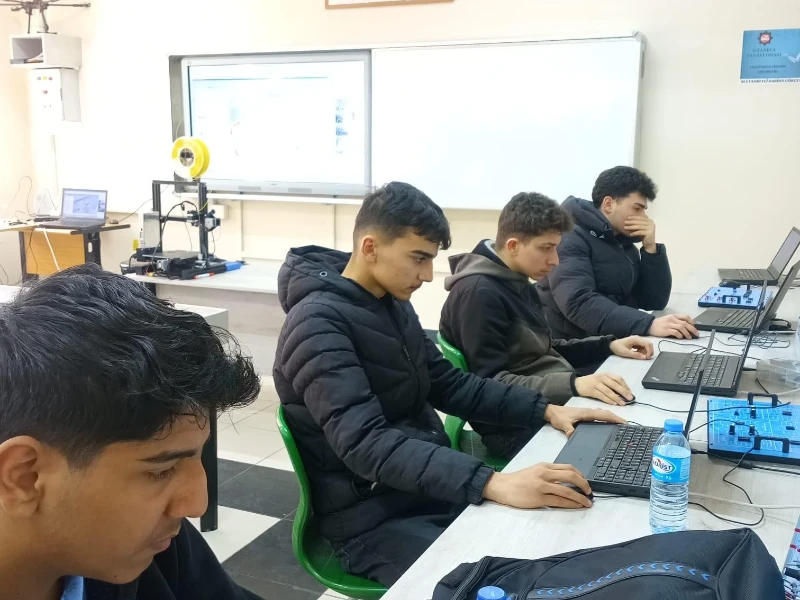
In the technical sessions, Jacopo Cassinis returned to lead participants through more complex models and simulation scenarios in CoppeliaSim. Building directly on the foundations of Day 1, students moved into more sophisticated hands-on tasks, culminating in a group exercise that required them to apply their growing simulation skills to new practical challenges. The pace was calibrated throughout to remain accessible for first-year VET students while maintaining sufficient rigour to build genuine competence.
Day 3 -Technology, Society, and Ethics | Student Project Development Wednesday, 25 March 2026
The final day brought both strands of the programme to a productive close. The thematic session -Interaction Between Technology and Society -delivered by BSW's Project Management Assistant for the Youth & Culture Project invited participants to look beyond technical proficiency and engage with the broader ethical and social implications of technological change. Topics included the opportunities and risks of increasing automation, questions of fairness and access in a digitally transforming economy, and the particular responsibilities and possibilities that face young people entering the VET sector at this moment in history.
In the technical sessions, Jacopo Cassinis guided students through the development and refinement of a small independent simulation project, drawing together the skills and concepts accumulated over the previous two days. Groups presented or summarised their work in a short wrap-up session -a moment that gave participants the opportunity to articulate what they had learned, not just technically, but in terms of their understanding of why simulation matters in modern industry.
The day concluded with structured feedback from both students and teachers, the results of which will inform the further development of the project's educational materials.
Learning Beyond the Sessions: Self-Study Resources
A distinctive feature of the T4F-DRA training design is its commitment to learning that extends beyond scheduled sessions. For each of the three training days, participants had access to three hours of structured self-study content -including CoppeliaSim video tutorials, thematic articles, supplementary readings, and knowledge-check quizzes -organised into guided lesson sequences with built-in breaks. These materials are available to all registered participants and the wider vocational education community directly through our website. We invite teachers, students, and interested practitioners to explore them via the relevant tabs in our Resources section.
Inclusive by Design
A2 was deliberately structured as a fully virtual event -a decision that allowed the project to engage a significantly broader group of participants than physical mobility would have permitted. Participant selection was conducted according to transparent, inclusive criteria, with dedicated priority given to students from disadvantaged socio-economic backgrounds as documented by each school's guidance services. For many participants, this activity represented their first experience of structured international collaboration: learning alongside peers from three countries, engaging with expert trainers from Italy and Germany, and contributing to a shared European educational project.
What Comes Next
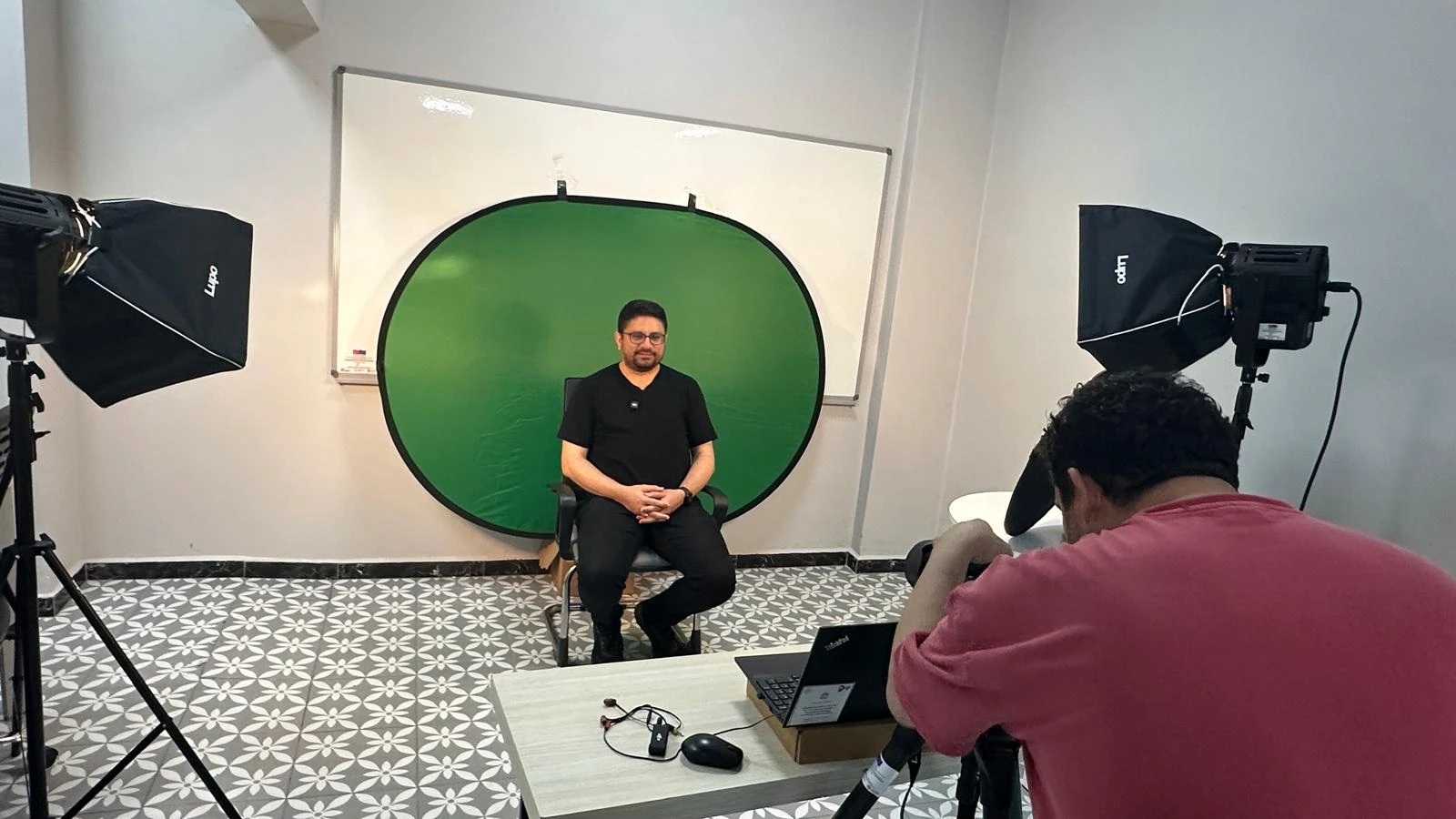
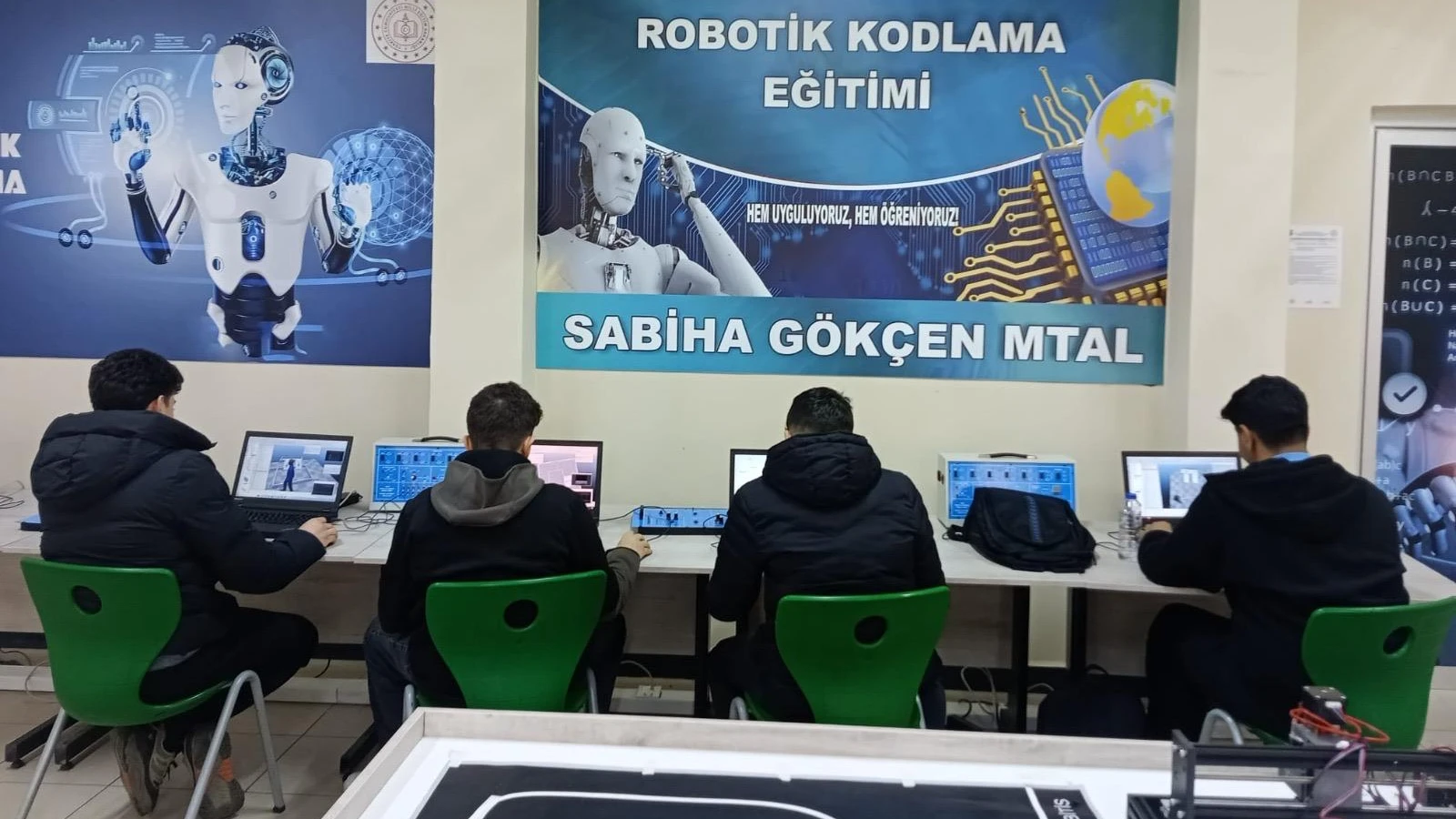
With A2 complete, the project moves into an intensified development phase. The insights and decisions reached during the activity's evaluation sessions are now feeding directly into the construction of the Digital Education Kit -one of T4F-DRA's headline outputs. The next major milestone is Activity 3: Interactive Education Video Shooting, scheduled for April 2026 and to be led by Sultanbeyli Sabiha Gökçen Vocational and Technical Anatolian High School, which will host filming at its professional studio.
T4F-DRA is co-funded by the Erasmus+ Programme of the European Union. The European Commission's support for the production of this publication does not constitute an endorsement of the contents, which reflect the views only of the authors.